joe ezigbo logo
Redefining Learning in Nigeria

Giving Every Child a
Chance to Learn
Differently.

We are dedicated to providing early intervention, specialized screening, and global-standard support for Nigerian children living with dyslexia.

The Silent Struggle in

Nigerian Schools

Dyslexia is not a lack of intelligence, it is a neurological difference in how the brain processes language. In Nigeria, thousands of brilliant minds are left behind simply because they aren't taught the way they learn.

1 in 5

Children in Nigeria estimated to have dyslexia.

80%

Lack access to professional screening.

Child reading
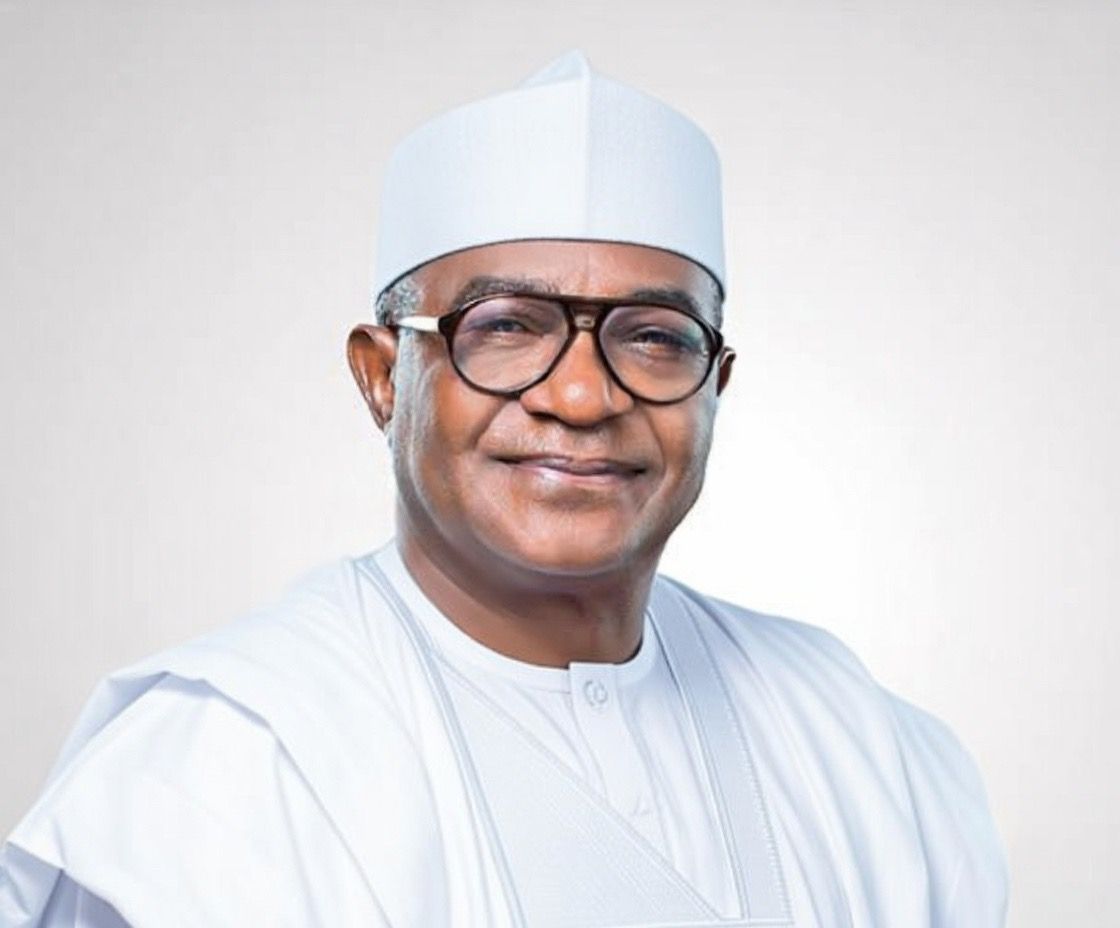
Sir Joe Ezigbo

Chairman's Message

Across Nigeria, many children struggle in classrooms not because they lack intelligence, but because their learning differences are misunderstood.

Dyslexia remains one of the most overlooked challenges in our education system, often leaving bright young minds discouraged and unsupported.

The Joe Ezigbo Foundation was established to help change this reality. Our mission is to promote awareness, encourage early screening, and equip teachers with the tools needed to support children who learn differently.

We believe that every child deserves the opportunity to discover their strengths and fulfill their potential.

I invite you to join us in building a more inclusive learning environment where every child has the chance to thrive.

Prof. Joe Ezigbo

Chairman, Joe Ezigbo Foundation

Our Three Pillars of Change

We take a holistic approach to tackling dyslexia through education, identification, and professional development.

Public Awareness

Breaking the stigma through community outreach, seminars, and media campaigns to help parents and teachers recognize the early signs.

Specialized Screening

Providing diagnostic assessments to identify learning patterns early and create personalized learning pathways for every child.

Teacher Training

Equipping educators with evidence-based strategies to support diverse learners in standard classroom environments.

Ready to build a more inclusive future for our children?